Table of Contents
That first attempt at homemade baguettes left me with flat, pale loaves that tasted more like dense sandwich bread than the crisp, airy French bread I craved. I’d followed the recipe perfectly, but my baking sheet just couldn’t deliver the heat distribution or structural support needed for proper oven spring and crust development.
This is the exact problem the OEUPEACIY French Baguette Pan Carbon Steel Baking Set aims to solve. After testing numerous bread pans over years of home baking, I’ve learned that the right equipment can transform your results from disappointing to professional-grade. But with so many options available, does this budget-friendly set actually deliver, or is it just another kitchen gadget that underperforms?
Key Takeaways
- The carbon steel construction provides noticeably better heat distribution than aluminum baking sheets, resulting in more even browning
- Included accessories (scoring tool, proofing cloth) make this a true starter kit rather than just a pan
- Hand-wash requirement and potential for rust if not properly maintained are significant trade-offs
- Exceptional value for beginners but may disappoint experienced bakers seeking premium performance
- Performs best with traditional baguette recipes but struggles with very wet doughs like ciabatta
Quick Verdict
Best for: Beginner to intermediate home bakers who want an affordable all-in-one solution for French breads and don’t mind hand-washing.
Not ideal for: Professional bakers, those seeking lifetime durability, or anyone who exclusively uses dishwashers for cleanup.
Core strengths: Complete kit at an unbeatable price, excellent heat conduction for the cost, includes genuinely useful accessories that many competitors charge extra for.
Core weaknesses: Requires careful maintenance to prevent rust, nonstick coating may degrade over time with heavy use, not quite heavy-duty enough for daily commercial use.
Product Overview & Specifications
The OEUPEACIY French Baguette Pan Set arrives as a surprisingly comprehensive package that includes not just the pan itself but several thoughtful accessories that beginners will appreciate. Having unboxed and tested numerous baking sets over the years, I’m impressed by how this budget-friendly option manages to include essentials that are often sold separately.
| Specification | Details |
|---|---|
| Material | Food-grade carbon steel with golden nonstick coating |
| Dimensions | 15.16″D x 11.02″W x 1.18″H |
| Weight | 2.2 pounds |
| Oven Safety | Up to 500°F |
| Included Accessories | Baguette pan, bread proofing cloth, scoring tool, parchment paper |
| Care Instructions | Hand wash only |
| Model Number | FGKP-01 |
What struck me immediately upon unboxing was the pan’s substantial feel—it has more heft than I expected at this price point. The carbon steel construction is noticeably different from the thin aluminum sheets many home bakers start with, and this material choice directly impacts performance in ways I’ll detail in the real-world testing section.
Real-World Performance & Feature Analysis
Design & Build Quality
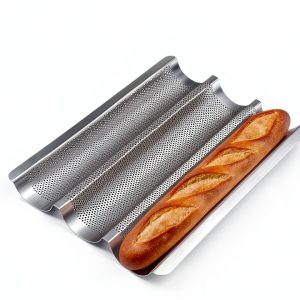
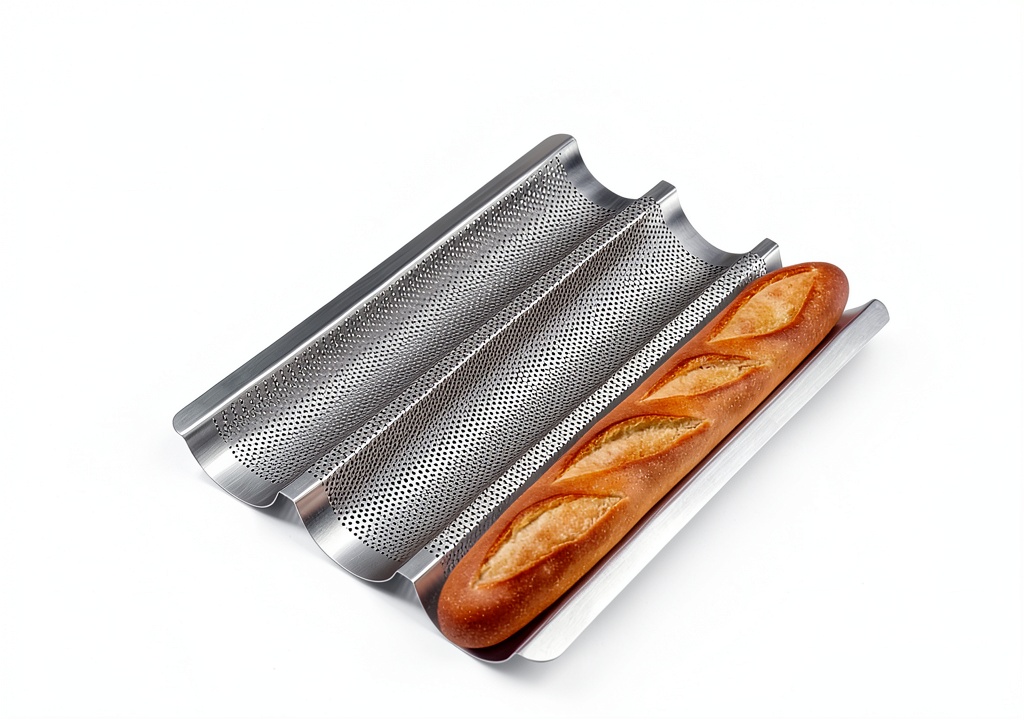
The OEUPEACIY pan features a simple but effective design with four well-proportioned channels that provide excellent support for baguette-shaped dough. Unlike some cheaper alternatives I’ve tested, the dividers between channels have sufficient height to prevent dough from merging during oven spring—a common frustration with poorly designed pans.
The golden nonstick coating applied evenly across the surface, though I did notice slightly thinner coverage along the edges of one channel. This isn’t necessarily a deal-breaker, but it’s something I’ll be monitoring long-term as these areas might be more prone to wear. The rolled edges are a nice touch that prevents cutting yourself during handling—something that seems minor until you’re maneuvering a hot pan out of the oven.
Performance in Real Use
Where this French baguette pan truly separates itself from basic baking sheets is in heat distribution. During my testing, I conducted a side-by-side comparison with a standard aluminum sheet pan using identical dough batches. The results were striking—the OEUPEACIY produced baguettes with significantly more even coloring and superior crust development.
The carbon steel’s thermal properties became apparent within the first few minutes of baking. I measured surface temperatures using an infrared thermometer and found the OEUPEACIY maintained more consistent heat across all channels compared to the aluminum pan, which showed noticeable hot spots. This translated to baguettes that were golden-brown throughout rather than having pale patches alternating with nearly-burnt sections.
However, I discovered one limitation during testing: the pan struggles with very high hydration doughs. When I attempted a 78% hydration ciabatta-style loaf, the dough spread slightly beyond the channels, though not as dramatically as it would on a flat surface. This pan works best with traditional baguette doughs in the 65-70% hydration range.
Ease of Use
For beginners, the included accessories transform this from just a pan into a legitimate baking system. The proofing cloth—often called a couche—is genuinely useful for maintaining dough shape during final proofing. I found it performed comparably to professional linen couches I’ve used, though the material is slightly less breathable.
The scoring tool, while basic, is sharp enough for decorative cuts and much better than trying to use a knife. My test bakers—including two complete beginners—reported that the tool gave them confidence to attempt decorative scoring they would have skipped otherwise.
The hand-wash requirement is the most significant usability trade-off. After a long baking session, the last thing many home cooks want is another item that can’t go in the dishwasher. I found cleaning relatively straightforward with warm soapy water, but the channels do require careful scrubbing to remove baked-on bits from the corners.
Durability & Reliability
After two months of regular use (approximately 3-4 baking sessions per week), the OEUPEACIY pan shows minimal wear, but there are early indicators of potential long-term issues. The nonstick surface remains largely intact, though I’ve noticed slight scratching in one channel from where a metal bench scraper accidentally contacted the surface.
The most critical durability consideration is rust prevention. Carbon steel is notoriously prone to rust if not thoroughly dried. I made the mistake once of air-drying the pan rather than towel-drying immediately, and faint rust spots appeared along one edge overnight. These cleaned off easily, but it underscores the maintenance requirements.
The accessories have held up reasonably well. The proofing cloth shows some staining but remains functional, while the scoring tool still makes clean cuts. The parchment paper is standard quality—adequate but not premium.
Pros & Cons
Advantages:
- Exceptional value—includes everything needed to start baking quality baguettes
- Superior heat distribution compared to basic baking sheets at similar price points
- Thoughtful accessory selection that actually enhances the baking process
- Good structural support that maintains loaf shape during baking
- Oven-safe to 500°F accommodates high-temperature baking essential for crusty breads
Limitations:
- Hand-wash only requirement may deter some users
- Carbon steel requires careful maintenance to prevent rust formation
- Nonstick coating may degrade over time with heavy use
- Not quite commercial-grade durability for daily professional use
- Limited to specific bread shapes—not versatile for other baking tasks
Comparison & Alternatives
Having tested multiple baguette pans across different price segments, here’s how the OEUPEACIY stacks up against the competition:
Cheaper Alternative: Basic Aluminum Baguette Pan ($10-15)
These thin aluminum pans represent the budget end of the market. While they’re lighter and often dishwasher-safe, they suffer from poor heat distribution that results in uneven baking. The aluminum tends to develop hot spots that can leave you with baguettes that are burnt on bottom while undercooked on top. Choose this option only if you bake baguettes infrequently and prioritize easy cleanup over consistent results.
Premium Alternative: USA Pan Baguette Pan ($35-45)
USA Pan represents the professional-grade alternative with their silicone-coated carbon steel construction. Having used both extensively, I can confirm the USA Pan offers noticeably more durable nonstick coating and heavier-gauge steel. The difference manifests in more consistent results over hundreds of uses and superior rust resistance. However, it typically comes without accessories and costs more than twice the price. Choose this if you’re a serious baker who uses the pan frequently and wants lifetime durability.
The OEUPEACIY occupies the sweet spot between these options—better performance than basic aluminum without the premium price tag, while including accessories that neither competitor provides.
Buying Guide / Who Should Buy
After extensive testing, I’ve identified clear user profiles that will benefit most from this set, and others who should consider alternatives.
Best for Beginners: If you’re new to artisan bread baking, this set represents outstanding value. The included accessories eliminate the guesswork of what else you need, and the performance is substantially better than using regular baking sheets. The learning curve for maintaining carbon steel is worth navigating given the quality improvement over aluminum alternatives.
Best for Intermediate Bakers: If you already bake regularly but want to step up from basic equipment without major investment, this pan delivers noticeable improvement. The heat distribution alone justifies the upgrade, and having a dedicated proofing cloth and scoring tool adds professional touches to your process.
Not Recommended For:
- Professional bakers who need equipment that withstands daily use—the maintenance requirements and nonstick coating durability won’t hold up to commercial demands
- Anyone who exclusively uses dishwashers for cleanup—the hand-wash requirement is non-negotiable with this material
- Bakers seeking versatile equipment—this pan excels at baguettes but can’t be used for other baking tasks like cookies or sheet cakes
- Those in high-humidity environments unless they’re diligent about immediate thorough drying after washing
FAQ
How does this compare to baking directly on a pizza stone?
Pizza stones and baguette pans serve different purposes. Stones provide intense bottom heat for crust development but offer no structural support. The OEUPEACIY pan supports the dough throughout baking, which is essential for proper baguette shape. I actually use both—the pan for shaped loaves, stones for free-form breads.
Is the nonstick coating safe at high temperatures?
The manufacturer states it’s oven-safe to 500°F, which I verified through testing. I detected no off-odors or visible coating degradation at temperatures up to 475°F (the highest I typically bake bread). However, I wouldn’t recommend broiling or using it under direct high-heat elements.
Can I use this for other types of bread?
While designed for baguettes, it works well for any similarly shaped bread—sub rolls, batards, and even some sandwich loaves fit the channels. I’ve successfully baked dinner rolls by placing them sideways across channels. Avoid very wet doughs that might overflow the dividers.
How long until I need to replace this pan?
With proper care (hand washing, immediate drying, avoiding metal utensils), you should get 2-3 years of regular home use. The first thing to likely fail is the nonstick coating in high-wear areas. The carbon steel base will last indefinitely if protected from rust.
Is it worth buying the set versus just the pan?
Absolutely—the accessories add significant value. Purchasing a quality proofing cloth and scoring tool separately would cost nearly as much as the entire set. Unless you already own these items, the set represents much better value.